Can New Construction Homes Have Radon? | DezAir - Copy
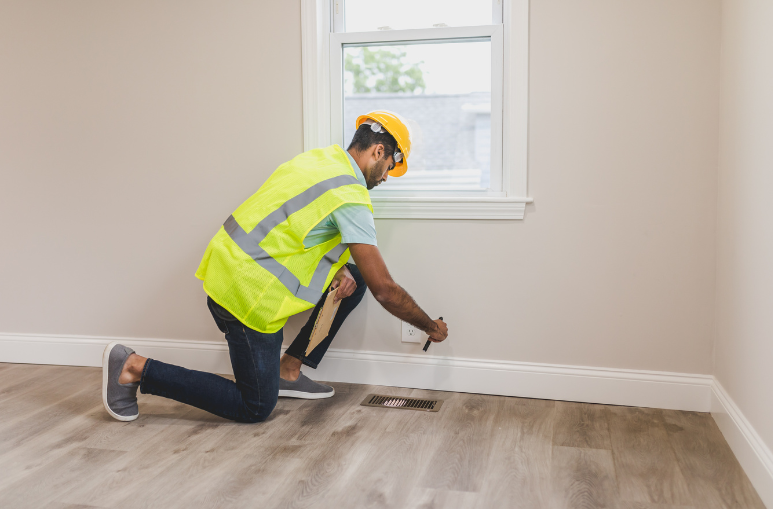
Can New Construction Homes Have Radon Problems?
Yes — radon has essentially nothing to do with how old a home is, and everything to do with what's in the soil beneath it.
New construction homes can absolutely have elevated radon levels, and in some cases, tighter, more energy-efficient modern construction can actually make radon accumulation more likely, not less, since less natural air exchange happens through the building envelope.
Why New Homes Aren't Automatically Radon-Free
It's a common but understandable assumption that "new" means "no old-house problems," and for many things, that's true — a new home won't have aging plumbing or an outdated electrical panel.
But radon isn't a building defect or an age-related issue at all. It's a naturally occurring gas that rises from soil and rock, and it enters homes through foundation-level openings regardless of when that foundation was poured.
What About Radon-Resistant Construction?
Some newer homes do include passive radon-resistant construction features (like a vent pipe installed during building), which can help reduce radon entry.
But even homes built with these features should still be tested, since passive systems reduce risk without eliminating it entirely, and their effectiveness varies by property.
Testing Is the Only Way to Know
If you've moved into new construction and assumed radon wasn't something you needed to think about, it's worth reconsidering that assumption — the only way to know your specific home's radon level is to test it, regardless of the year it was built.
Schedule a radon or mold test today with DezAir Quality Testing online at dezairqualitytesting.com.
