Is Testing Worth It With No Obvious Problem? | DezAir - Copy
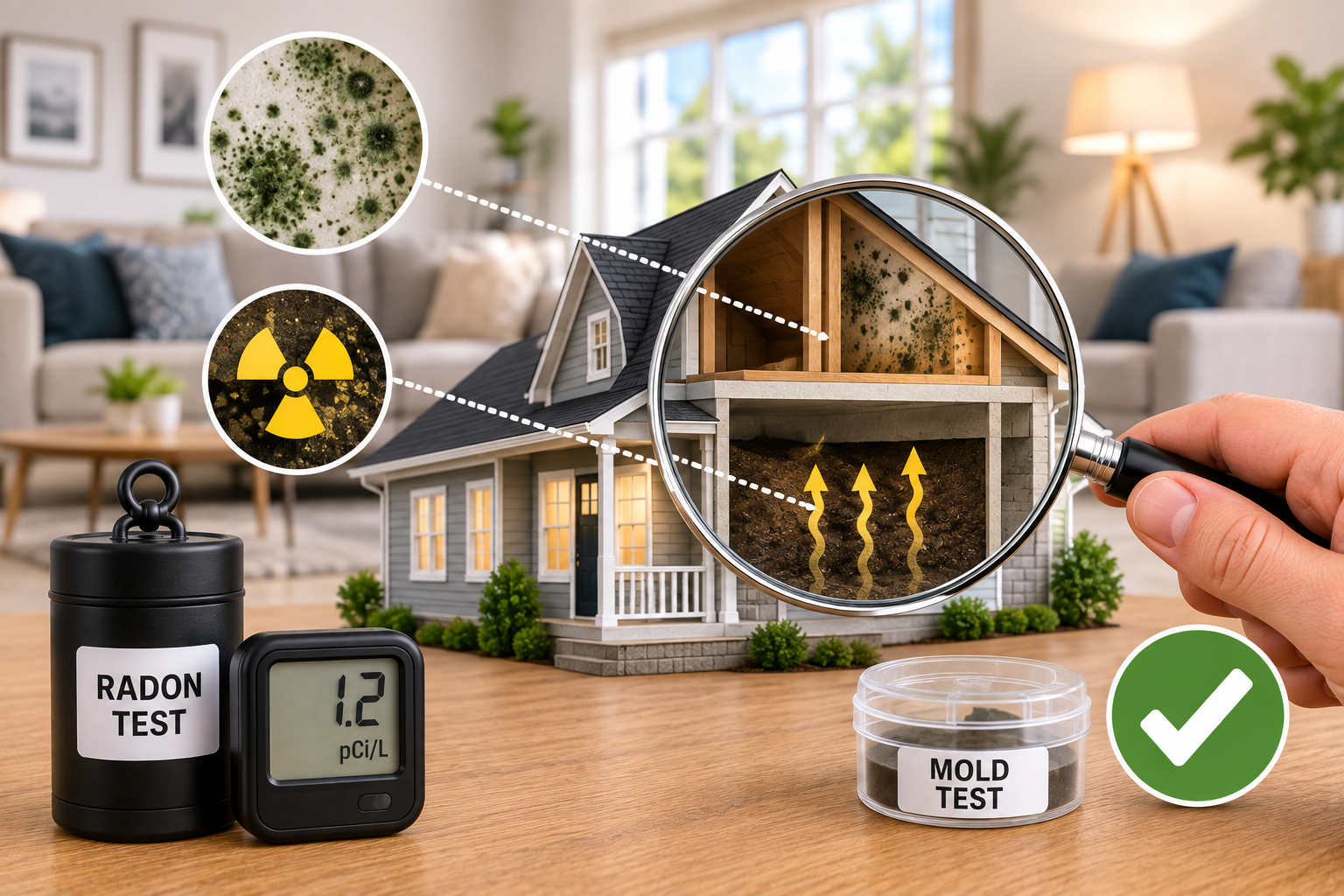
Is Radon or Mold Testing Worth It If I Don't See Any Obvious Problem?
For many homeowners, the question is simple: if there are no obvious signs of a problem, is testing still worth doing?
The answer depends on what you're testing for — because radon and mold behave very differently.
Why Radon Testing Is Worth It Even Without Warning Signs
For radon specifically, the answer is straightforward: yes, testing is worth doing regardless of whether anything seems wrong, because radon produces zero visible, audible, or smellable signs under any circumstances.
A home with genuinely elevated radon levels can look, feel, and smell completely normal — there is no version of "obvious symptoms" for radon.
Testing isn't confirming a suspicion; it's the only way the information exists at all.
Why Mold Can Be Different
Mold is a bit different, since it does sometimes come with visible or detectable signs — a musty odor, visible discoloration, or allergy-type symptoms.
But mold can also grow in places you can't see: behind walls, under flooring, inside HVAC systems, or in crawl spaces you don't regularly enter.
A lack of obvious signs reduces the likelihood of a mold problem, but it doesn't rule one out, particularly in older homes, homes with a history of water intrusion, or homes you haven't lived in long enough to notice a slow-developing issue.
When Testing Without an Obvious Problem Makes Sense
Beyond your own peace of mind, there are practical moments where testing without an obvious problem is genuinely valuable:
Before buying or selling a home
After any water event even if it seemed minor and got cleaned up quickly
As part of a periodic home-health check every couple of years
Testing provides information you can't get from appearance alone — helping you make decisions based on actual results rather than assumptions.
Schedule a radon or mold test today with DezAir Quality Testing online at dezairqualitytesting.com.
