What Radon Level Is Dangerous? EPA Guidelines | DezAir
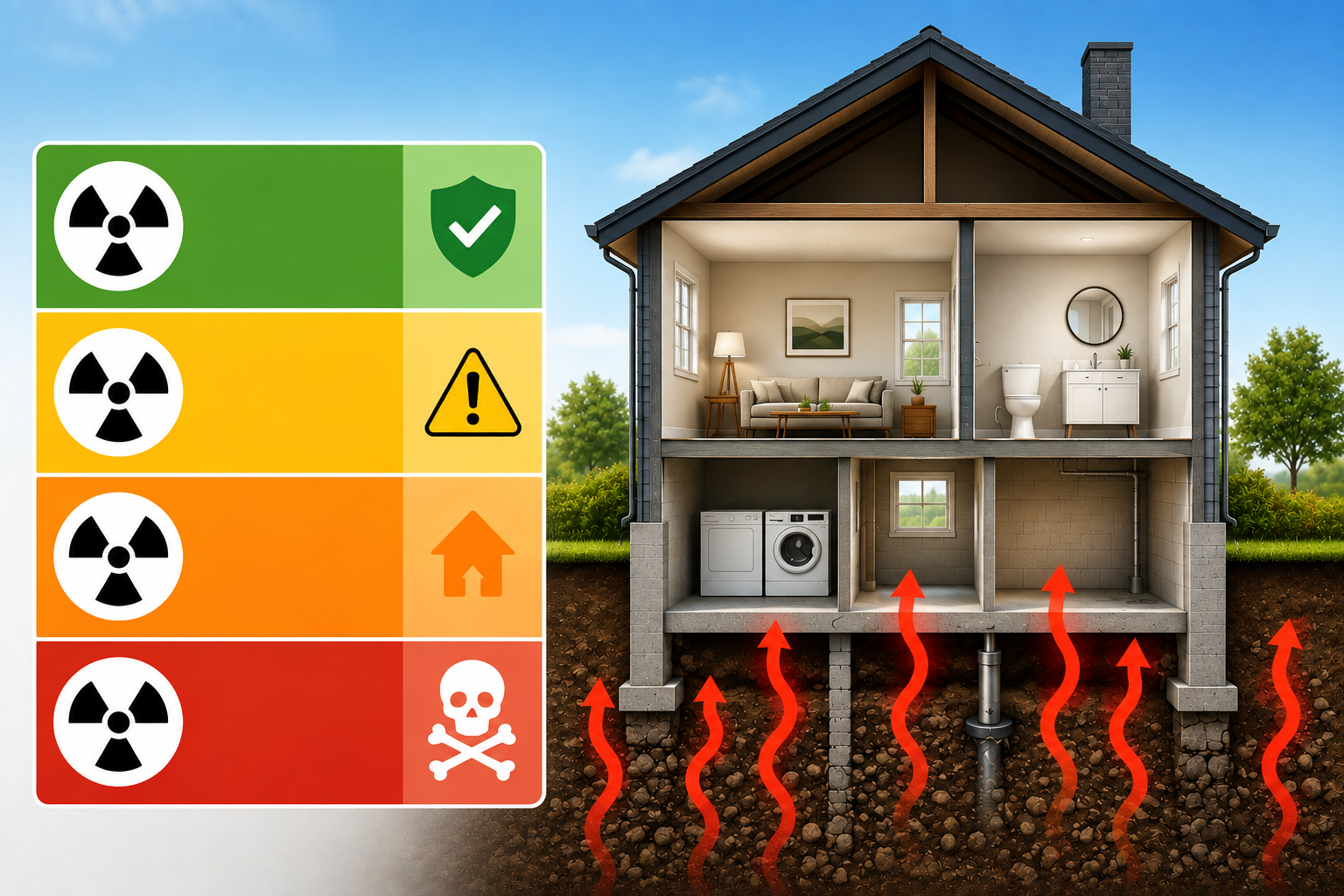
What Radon Level Is Considered Dangerous?
Radon is measured in picocuries per liter of air, abbreviated pCi/L. According to the EPA, the recommended action level is 4 pCi/L — if your test comes back at or above that threshold, the EPA recommends taking steps to reduce it, typically through a radon mitigation system.
Understanding Radon Levels
Levels between 2 and 4 pCi/L are considered elevated and worth addressing, even though they fall below the formal action threshold — the EPA notes that risk exists at any level above zero, and reducing exposure is worthwhile even below the action level if it's reasonably achievable.
It's worth understanding that there's no "safe" level in the sense of a hard line below which risk disappears entirely — like many environmental exposures, radon risk scales with concentration and duration of exposure. The 4 pCi/L threshold represents a practical action point balanced against the cost and feasibility of mitigation, not a cliff edge between "fine" and "dangerous."
How Your Results Compare
For context: the EPA estimates the average indoor radon level in U.S. homes is somewhere around 1.3 pCi/L, and outdoor air averages about 0.4 pCi/L. A result significantly above those averages is a meaningful signal, even if it's below 4 pCi/L.
What Happens If Your Levels Are Elevated?
If your test comes back elevated, the report itself will explain your results clearly, and a licensed radon mitigation professional can install a system designed to reduce levels — DezAir focuses specifically on independent testing, so your results aren't influenced by any interest in selling a mitigation service.
Schedule a radon or mold test today with DezAir Quality Testing online at dezairqualitytesting.com.
